
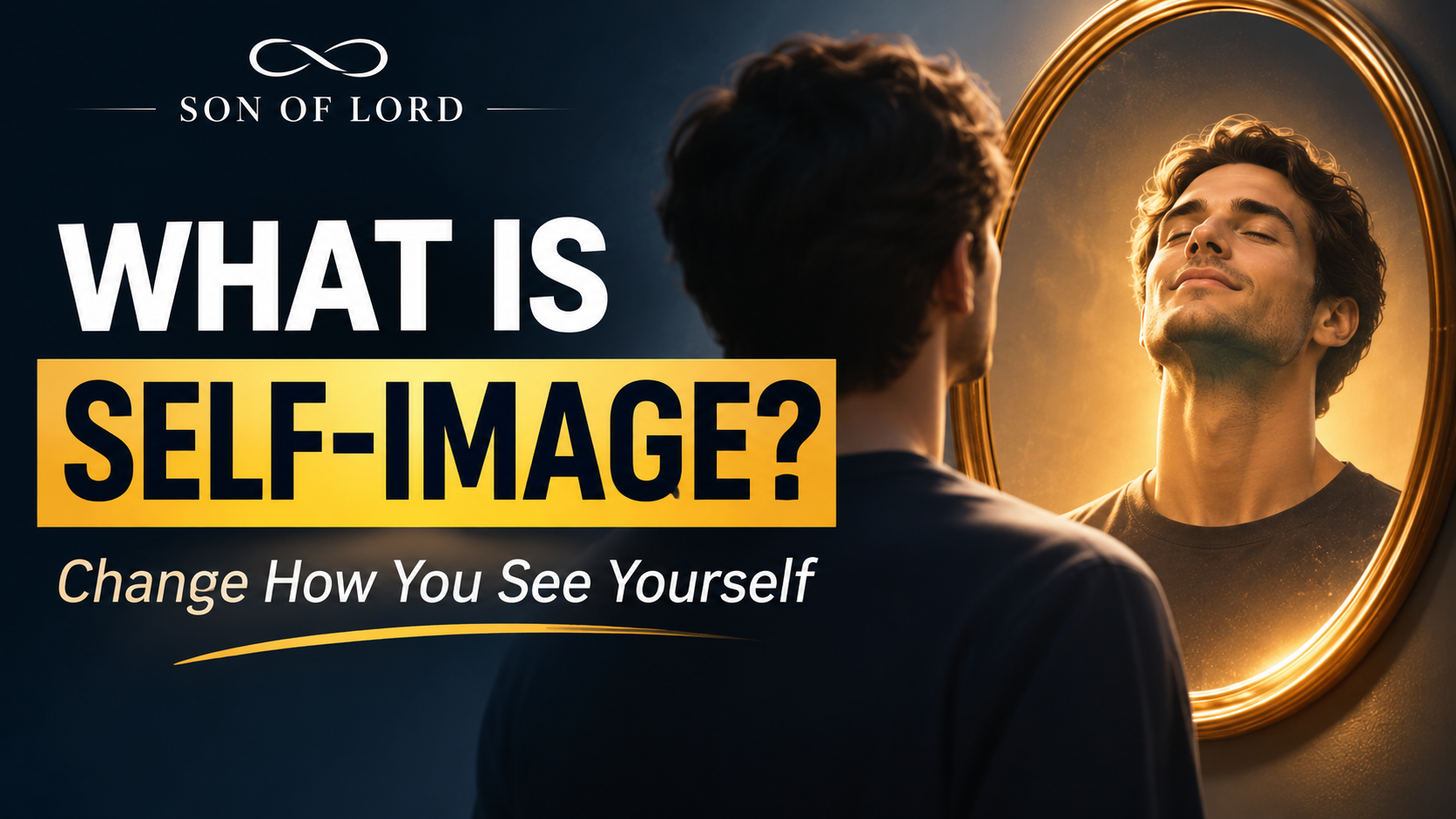
What Is Self-Image? Meaning, Examples & How to Improve It
By Son of Lord Publishing
The way you see yourself can influence what you attempt, how you interpret setbacks, and how you respond to other people. That inner picture is often called your self-image. Understanding it is a useful starting point for self-reflection and personal growth.
What is self-image?
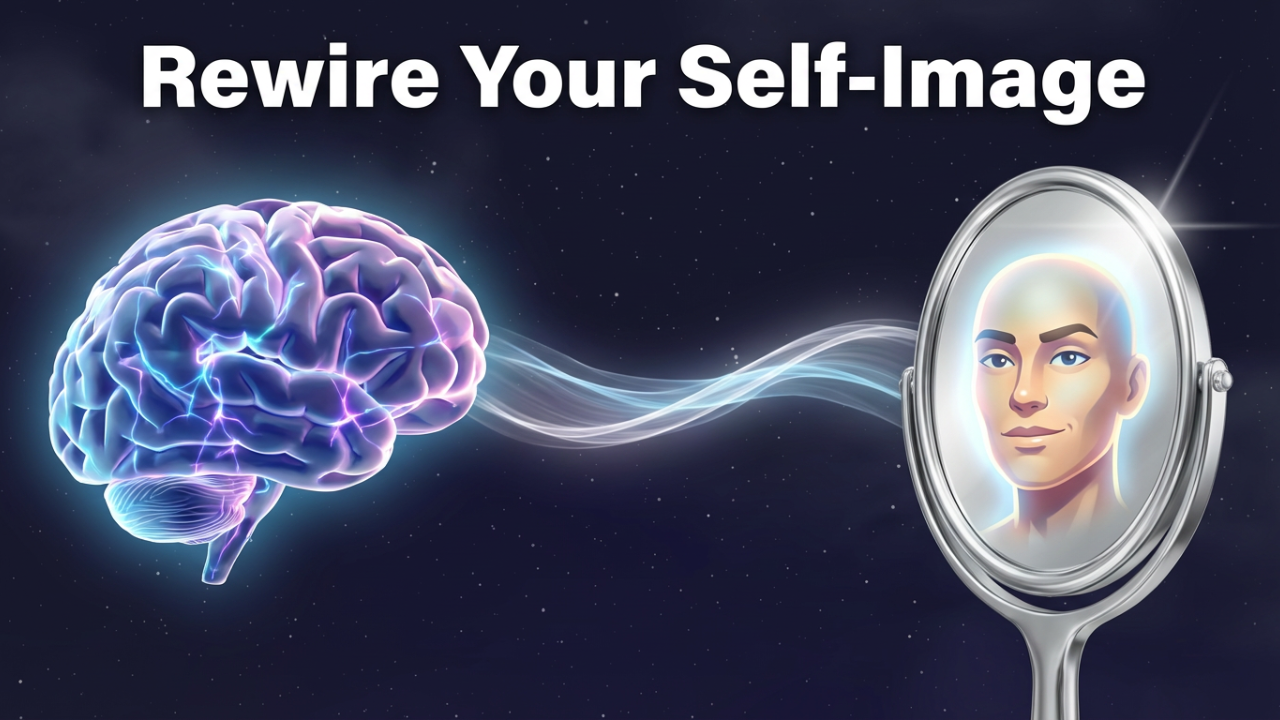
Self-image is the mental picture or view you hold of yourself. It includes your perceptions of your personality, abilities, appearance, roles, and qualities. Your self-image may reflect your experiences, but it is not always an objective or complete account of who you are.
For example, someone who thinks “I’m terrible at public speaking” may avoid opportunities to practice, even if their actual ability could improve with experience. Another person may recognize that they are still learning and decide to try anyway.
Self-image is related to, but different from, self-esteem. Self-image describes how you see yourself; self-esteem concerns how you evaluate or value yourself.
How does self-image develop?
Your view of yourself can be shaped over time by several influences:
- Early experiences: Encouragement, criticism, and the roles you were assigned as a child can contribute to beliefs about yourself.
- Relationships: Feedback from family, friends, teachers, and colleagues can affect self-perception.
- Repeated experiences: Successes, setbacks, and habits may reinforce certain expectations.
- Social comparisons: Comparing your progress or appearance with others can influence the story you tell about yourself.
- Your own interpretations: Two people can experience similar events but draw very different conclusions about their abilities.
Because these influences continue throughout life, self-image is not necessarily fixed.
Positive and negative self-image: examples
A more constructive self-image does not mean pretending to be perfect. It means describing yourself in a balanced, realistic way that leaves room for learning.
Negative or restrictive self-image: “I made a mistake, so I’m incapable.”
More balanced self-image: “I made a mistake. I can examine what happened and improve.”
Negative or restrictive self-image: “I’ve always been shy, so I can never speak confidently.”
More balanced self-image: “Speaking confidently is difficult for me now, but I can practice.”
A person’s self-image can vary by situation: someone may feel capable at work and uncertain in relationships. Avoid labeling yourself entirely from one experience.
How self-image can influence thoughts, feelings, and behavior
Imagine two people applying for a challenging opportunity. One believes, “People like me don’t succeed at this.” The other thinks, “I don’t know whether I’ll succeed, but I can prepare and try.” Those beliefs may influence how they plan, act, and respond to rejection.
This does not mean thoughts alone control external events, health, or other people’s decisions. Circumstances, resources, chance, and social conditions also matter. Rather, the way you interpret yourself can affect choices and actions within your control.
How to improve your self-image: five practical steps
1. Notice your automatic self-descriptions
For a few days, write down phrases you repeatedly use about yourself. Look for sweeping statements such as “I always fail” or “I’m just not that kind of person.” Ask whether the evidence supports such absolute conclusions.
2. Separate an event from your identity
“I struggled with this task” is a description of an experience. “I’m a failure” is a judgment about your whole identity. Practice making that distinction.
3. Collect specific, balanced evidence
Write down examples of strengths, difficulties, and progress. Include feedback you trust. A realistic self-image makes space for both accomplishments and limitations.
4. Choose a small action that challenges an old assumption
If you believe you cannot learn something, take a manageable first step: a short lesson, one conversation, or a simple practice session. Review what actually happened rather than assuming the outcome in advance.
5. Revisit your self-image over time
Ask: “What do I believe about myself today? Which beliefs help me act constructively? Which beliefs should I examine?” Change may be gradual, and persistent distress can warrant support from a qualified mental health professional.
Self-image, imagination, and the perspective of Kingdom of God
The Son of Lord book Kingdom of God: Vibrational Frequency of Energy explores self-image within a wider spiritual and philosophical account of energy, frequency, vibration, consciousness, and personal creation.
Its third chapter, Vibration, includes a section titled “What Is Self-Image?” The book presents self-image as a mental picture developed through repeated ideas and experiences and encourages readers to question inherited beliefs about themselves. Its broader framework also proposes relationships between thought, vibrational frequency, and physical reality. Those broader physical claims are the book’s perspective and should not be confused with established conclusions in psychology or physics without supporting empirical evidence.
For readers interested in the intersection of identity, imagination, and spiritual reflection, the book offers a distinctive point of view to examine critically and thoughtfully.
Explore the paperback: Kingdom of God — Son of Lord

Discover Son of Lord’s perspective on energy, frequency, vibration, and the role of self-image in personal transformation.
Frequently asked questions
What is self-image in simple words?
Self-image is how you see and describe yourself, including your abilities, personality, appearance, and roles.
Is self-image the same as self-esteem?
No. Self-image is your view of yourself; self-esteem is how positively or negatively you evaluate yourself. They are related, but they are not identical.
Can self-image change?
Yes. New experiences, reflection, supportive relationships, and repeated actions can contribute to changes in self-perception over time.
What is an example of a negative self-image?
Believing “I’m incapable of learning new things” after one setback is an example of a restrictive self-image. A more balanced view recognizes the setback without treating it as a permanent identity.
Does changing self-image guarantee success?
No. A more constructive self-image may support useful decisions and behaviors, but outcomes also depend on external conditions and other factors.
Further reading
- American Psychological Association — Self-image
- American Psychological Association — Self-esteem
- OpenStax — Foundations of Self-Concept
- Son of Lord — Kingdom of God book overview
Published by Son of Lord Publishing. This educational article distinguishes general psychological concepts from the interpretive framework presented in the book.


Be the first to share your thoughts.