

How Self‑Image Engineering™ Reveals the Identity Driving Your Behavior
You wake up determined. Today is the day you eat healthy, write that first chapter, or finally stop hitting snooze. You feel motivated, disciplined, and ready to take control.
But what if the part of you making those decisions… isn’t actually you?
What if your habits aren’t driven by willpower, motivation, or discipline — but by a hidden self‑image quietly directing your behavior from the background? What if your life is being shaped by a subconscious identity you didn’t consciously choose?
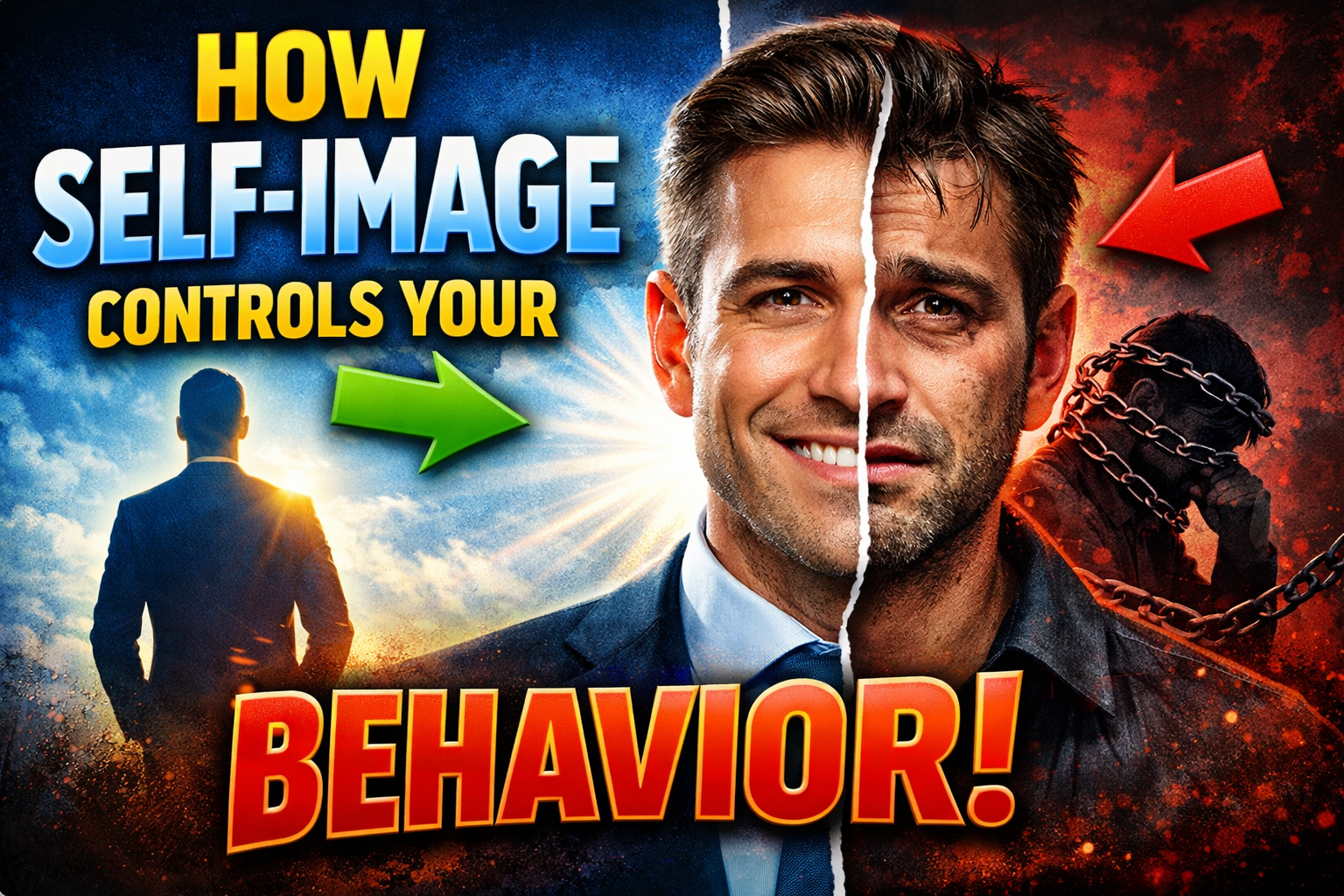
Most people try to change their habits. But habits are only symptoms. The real driver is your self‑image — the identity you believe you are.
Self‑Image Engineering™ teaches that your habits are not random. They are the natural expression of your internal identity blueprint. To change your actions, you must first change the self‑image generating them.
Section 1: The Willpower Trap — Why Self‑Image Always Wins
Meet Alex. Alex wants to improve — gym clothes ready, healthy meals packed, alarm set for 5:30 AM. Monday goes well. Tuesday is decent. Wednesday slips. By Friday, the plan collapses.
Alex thinks the problem is discipline. But the real issue is self‑image conflict.
When your self‑image doesn’t match your desired habits, your brain experiences cognitive dissonance. It becomes mentally exhausting to act “out of character,” and your old habits return — not because you’re weak, but because your self‑image is stronger than your willpower.
Willpower is temporary. Self‑image is permanent — until you consciously rewrite it.
This is why people feel stuck. They try to change behavior without changing identity. They treat symptoms instead of the root cause.
Your self‑image is the invisible force making change feel difficult. To understand your habits, you must understand the identity behind them.

Section 2: The Revelation — Your Self‑Image Creates Your Habits
Every action you take is a vote for the type of person you believe you are. This is the foundation of Self‑Image Engineering™.
Psychology and neuroscience agree: Your self‑image acts like your mind’s operating system. If a new habit doesn’t match your self‑image, your brain rejects it.
Examples:
- “I’m not a morning person.” → snooze button
- “I’m not athletic.” → couch instead of exercise
- “I’m a procrastinator.” → last‑minute panic
- “I’m not creative.” → blank page, no writing
These are not facts. They are identity statements — self‑image scripts.
Your brain craves consistency. It wants your actions to match your identity. When they don’t, it creates discomfort and pushes you back to familiar habits.
Neuroscience shows that the vmPFC (ventromedial prefrontal cortex) evaluates what is personally relevant. When a behavior aligns with your self‑image, your brain assigns it higher value, making it easier and more rewarding.
This is why lasting change happens only when you shift your self‑image, not just your behavior.
Section 3: The Secret Self‑Image Scripts Running Your Life
Your habits make perfect sense once you understand the self‑image scripts behind them.
The Procrastinator
Hidden self‑image: “I work best under pressure.” Deeper script: “If I try my best and fail, I’ll prove I’m not good enough.”
The People‑Pleaser
Hidden self‑image: “My value comes from being needed.” Script: “If I say no, I’ll be rejected.”
The Unhealthy Identity
Hidden self‑image: “I’m not an athletic person.” Script: “Healthy behavior feels out of character.”
These scripts are not flaws. They are identity protection mechanisms. Your habits are not random failures — they are logical actions designed to preserve your current self‑image.
To change your habits, you must rewrite the identity they are protecting.
Section 4: Rewriting Your Future Through Self‑Image Engineering™
Self‑Image Engineering™ gives you a structured method to rewrite your identity and transform your habits from the inside out.
Step 1: Decide Who You Want to Be
Identity first, habits second. Define the self‑image you want to embody:
- “I am a healthy person who values vitality.”
- “I am a writer who shows up daily.”
- “I am a disciplined person who honors commitments.”
This becomes your new identity blueprint.
Step 2: Prove It With Small Wins
Identity is built through evidence. Cast small votes:
- Read one page → “I am a reader.”
- Write one sentence → “I am a writer.”
- Put on running shoes → “I am someone who moves.”
Small actions reinforce your new self‑image.
Step 3: Link Habits to Core Values
Habits stick when they express your identity and values.
You’re not “forcing yourself to exercise.” You’re “honoring your value of vitality.”
You’re not “avoiding junk food.” You’re “aligning with your identity of long‑term health.”
Step 4: Reframe Your Self‑Talk
Your self‑image is narrated by your internal monologue.
Replace identity‑damaging statements with identity‑building ones:
- “I’m lazy” → “I’m low on energy; I’ll start small.”
- “I always fail” → “This didn’t work; I’ll adjust.”
This rewrites your identity script.
Conclusion — Your Self‑Image Shapes Your Destiny
You’ve spent years fighting habits without realizing the real battle was happening at the level of self‑image.
Your habits are a lagging measure of your identity. To change the shadow, you must move the object.
Self‑Image Engineering™ gives you the power to consciously rewrite your identity, reshape your habits, and redesign your future.
Your past created your old self‑image. Your choices today create your new one.
You hold the pen now. Write the identity that will write the rest of your story.